

Healing is rarely a straight line. It unfolds in moments of courage, in the quiet decision to try again, and in the strength we borrow from one another when our own feels insufficient.
Stephen Furzuk
In global health, we often focus on statistics, indicators, and measurable outcomes—mortality rates, infection trends, and treatment coverage. Yet behind every number is a deeply human story that cannot be fully captured in a dataset. Each figure represents an individual journey shaped by struggle, resilience, perseverance, recovery, and hope. It is in these lived experiences that the true impact of health systems is revealed, reminding us that progress is not only about improving numbers, but about restoring dignity, healing communities, and changing lives in meaningful ways.
The Human Stories Behind the Data
We speak of mental health prevalence, access to care, and programme indicators. These measures are essential, but they rarely capture what resilience truly looks like.
Resilience is:
• Attending another therapy session.
• Returning to school after loss.
• Asking for help.
• Choosing hope in uncertain circumstances.
We speak of mental health prevalence, access to care, and programme indicators. These measures are essential, but they rarely capture what resilience truly looks like.
Resilience is:
• Attending another therapy session.
• Returning to school after loss.
• Asking for help.
• Choosing hope in uncertain circumstances.
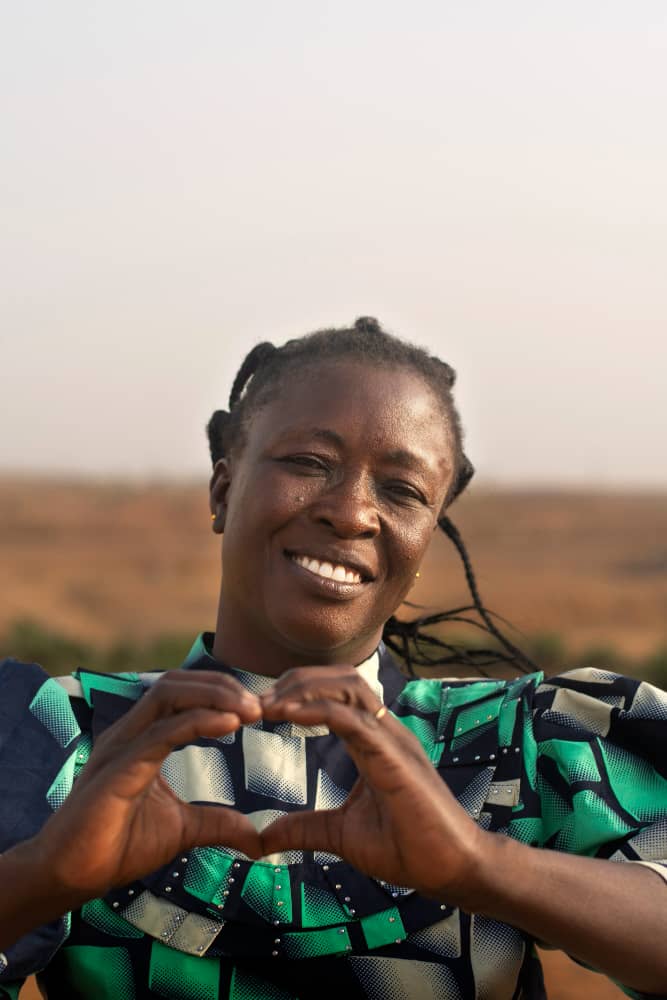
In global health, we often focus on statistics, indicators, and measurable outcomes. Yet behind every number is a deeply human story—of struggle, resilience, perseverance, recovery, and hope.
These narratives remind us that healing is not always linear. Recovery takes time and is shaped by both visible and invisible battles. Some journeys are marked by setbacks, while others unfold through quiet progress that may never be captured in reports or datasets.
Still, within these lived experiences lies the true meaning of impact. Every story reflects a life in the process of rebuilding—step by step, moment by moment. In these moments, resilience becomes more than a concept; it becomes something lived and experienced in real time.
To truly understand global health is to look beyond the data. It is to listen to the stories behind the numbers and recognize that progress is also reflected in restored dignity, renewed strength, and the ongoing journey of recovery.
Watch: The Power of Shared Stories
Final Reflection
Perhaps resilience is not about never breaking.
Perhaps it is about discovering that even in moments of vulnerability, we possess the capacity to rebuild, reconnect, and begin again.
Recovery teaches us patience. Community teaches us belonging. Stories teach us hope.
As we continue working toward healthier societies, may we create spaces where people feel safe to share their experiences and seek support without fear. Because every narrative of ongoing recovery is also a testament to the enduring strength of the human spirit.