

Mental health needs a great deal of attention. It's the final taboo, and it needs to be faced and dealt with.
Adam Ant
Explorations of emerging ideas, approaches, and models influencing how mental wellbeing is supported worldwide. These conversations examine what is changing, what is working, and what remains unresolved in mental health promotion.
Mental health is no longer a silent conversation happening behind closed doors. It’s now a global priority—and innovation is at the center of this transformation. From AI-powered therapy to wearable mood tracking, the way we understand, diagnose, and treat mental health is rapidly evolving.
Let’s explore how innovation is reshaping mental health care—and what it means for the future.
1. Digital Therapy & Mental Health Apps
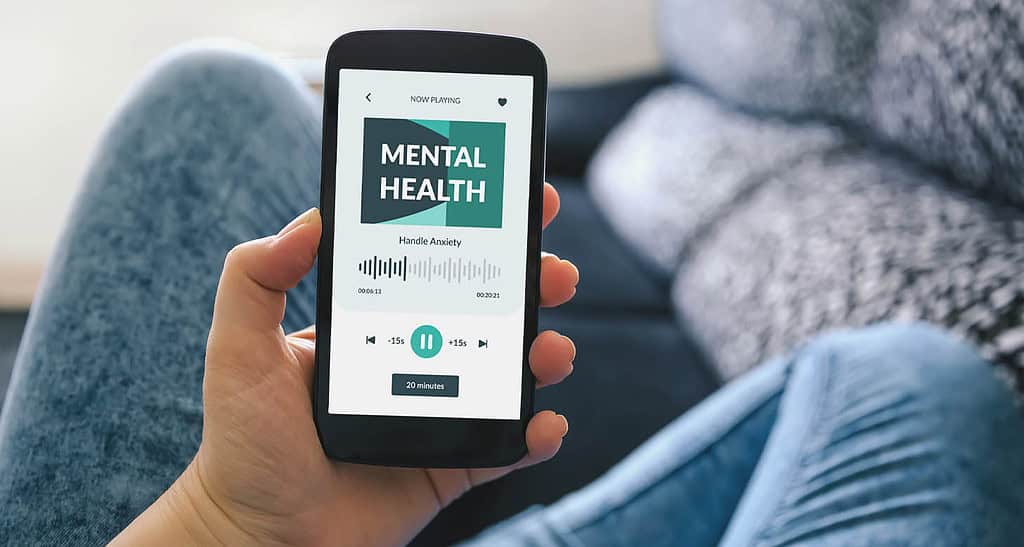
The rise of mobile technology has made mental health support more accessible than ever. Platforms like BetterHelp and Headspace are breaking geographical and social barriers by offering therapy and mindfulness tools directly from your phone.
These tools provide:
- On-demand therapy sessions
- Guided meditation and stress relief exercises
- Anonymous support, reducing stigma
For many, this is the first step toward seeking help—especially in regions where access to therapists is limited.
2. Artificial Intelligence in Mental Health
Artificial Intelligence is playing a growing role in early detection and support. Chatbots and AI-driven platforms can analyze language patterns, mood shifts, and behavioral data to flag early signs of distress.
Apps like Woebot use cognitive behavioral therapy (CBT) techniques to engage users in real-time conversations, offering coping strategies and emotional support.
While AI doesn’t replace human therapists, it:
- Provides 24/7 availability
- Helps in early intervention
- Reduces the burden on healthcare systems
3. Wearable Technology & Mood Tracking
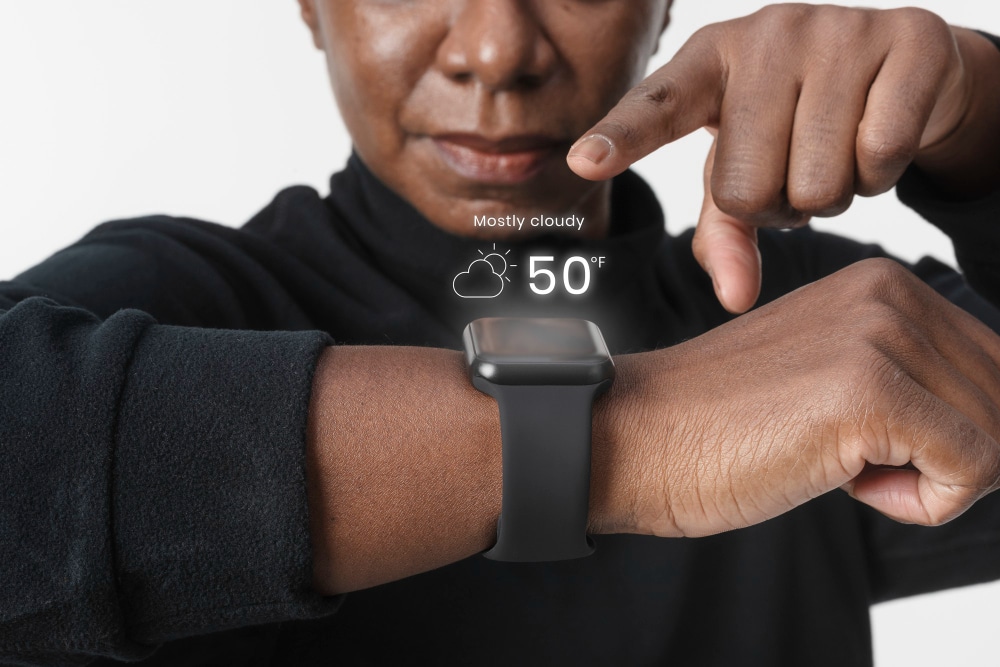
Wearables are no longer just for counting steps. Devices from companies like Fitbit and Apple now track sleep patterns, heart rate variability, and stress levels.
This data can:
- Identify anxiety triggers
- Monitor sleep-related mental health issues
- Provide insights into emotional well-being
The integration of physical and mental health data is helping users understand the deeper connection between body and mind.

4. Virtual Reality (VR) Therapy
Virtual Reality is opening new doors in exposure therapy and trauma treatment. Patients can safely confront fears—like public speaking or flying—in a controlled virtual environment.
Organizations such as Oxford VR are pioneering treatments for:
- Phobias
- PTSD
- Social anxiety
This immersive approach accelerates recovery and makes therapy more engaging.
5. Personalized & Data-Driven Treatment
Mental health care is shifting from a one-size-fits-all approach to personalized treatment plans. By leveraging big data and predictive analytics, clinicians can tailor interventions based on individual needs.
This includes:
- Genetic insights
- Lifestyle data
- Behavioral patterns
The result? More effective and targeted care.
Watch: Mental Health Awereness
The Bigger Picture
Mental health innovations are not just about technology—they’re about accessibility, empathy, and empowerment. These tools are helping to normalize conversations, reduce stigma, and bring care closer to those who need it most.
However, challenges remain:
- Data privacy concerns
- Over-reliance on technology
- The need for human connection
Balancing innovation with ethical responsibility will define the next phase of mental health care.